What is a learning management system (LMS)?
An LMS is a software application used for planning, delivering, and tracking training and educational programmes. Organisations use LMS software to make learning more engaging and accessible to employees, helping improve employee skills, compliance, retention, and productivity.
LMS meaning and definition
A learning management system, often referred to as an LMS, is a software application that provides organisations with a framework for creating, managing, delivering, and tracking educational courses, training programmes, or learning and development programmes throughout the employee lifecycle. An LMS uses artificial intelligence (AI) and smart technologies to assess individual and organisational training needs, create personalised learning paths, and track learning and compliance training.
Why is learning management important today?
Major demographic changes, emerging technologies, new regulations, and a highly competitive job market are creating talent gaps and skills shortages. Technology, particularly AI, is leading to new types of jobs, such as prompt engineers, AI trainers, and AI ethicists, and a lack of people trained to perform these jobs. Learning management is essential for driving continuous learning and development—from training through upskilling and reskilling—to help fill these gaps and empower people to drive the business forward.
What’s the difference between upskilling and reskilling?
Upskilling helps people develop new or more advanced technology and human skills, including decision-making and problem-solving skills, to perform better in their current roles.
Reskilling helps people learn new skills for a completely different role or career change.
As a result, businesses are putting employee skills at the centre of HR practices, according to a 2024 HR trends report. Based on a study of 100 reputable business press resources, the report determined that “Reskilling and upskilling initiatives, especially for urgent skills needs like AI, will lead to increased motivation in employees, so it must also see greater prioritisation by organisations.”
What are learning management systems used for?
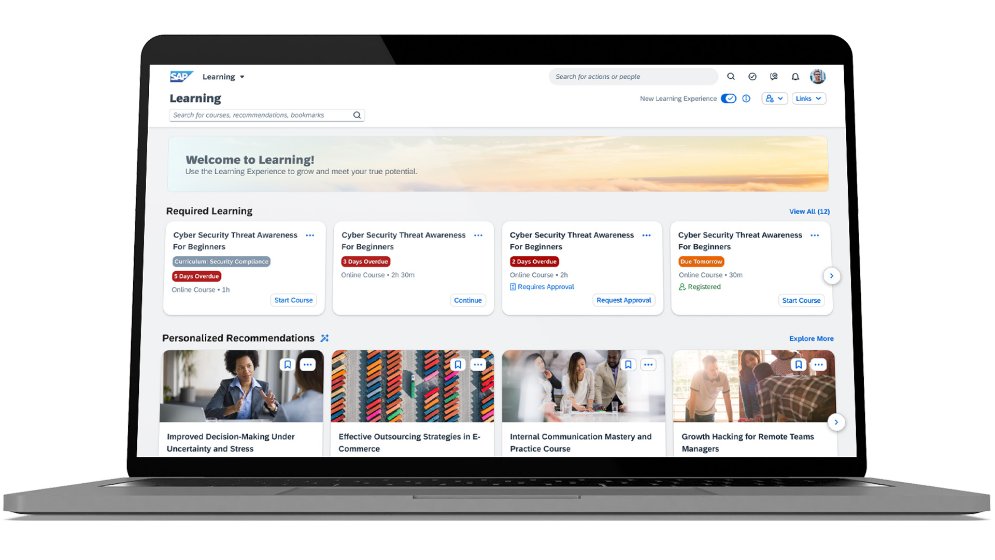
Organisations—from educational institutions to corporations and government agencies—use learning management systems to meet their educational, training, and compliance goals. For example, a university uses an LMS to deliver online courses to its students worldwide, while a government agency uses an LMS to provide the latest compliance training to employees and send reminders until it’s completed. Most organisations use an LMS for: